Why Choose LED Landscape Lighting for Outdoor Projects?

Why Choose LED Landscape Lighting for Outdoor Projects?

Outdoor spaces change after sunset. A stone path becomes difficult to read, while a dark stair edge can create unnecessary risk. Led Landscape Lighting brings controlled visibility to these details without overwhelming the property. Low-voltage fixtures can highlight steps, planting beds, textured walls, and seating areas. They also use less energy than many traditional lighting systems. However, efficiency alone does not guarantee a successful design.

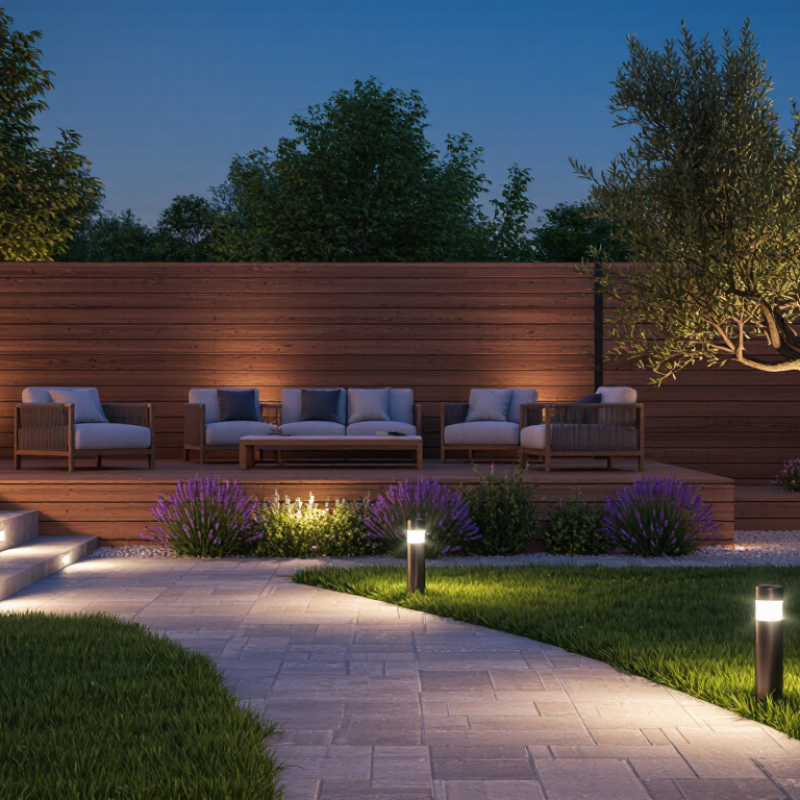
Lighting designer Randall Whitehead is widely recognized for his work in architectural and residential lighting. He has said, “Lighting is the jewelry of architecture.” This idea fits outdoor projects well. A narrow beam can reveal the shape of an olive tree. A soft wash can bring out the grain of a cedar fence. The result should feel intentional, not harsh.

Experienced installers still need to consider beam angles, color temperature, drainage, cable placement, and fixture access. A 2700K light often creates a warmer residential atmosphere. Poor aiming can send glare into windows or neighboring properties. That mistake is easy to make. It is also expensive to correct.

Led Landscape Lighting offers long service life, flexible control, and precise visual layering. Timers, photocells, and smart controls can reduce waste when properly configured. Yet no system is maintenance-free. Leaves cover fixtures, connections loosen, and plants grow into light paths. Regular inspection remains essential. The strongest outdoor design balances beauty, safety, energy performance, and restraint. Sometimes, using fewer fixtures creates the more convincing result.
Why Choose LED Landscape Lighting for Outdoor Projects?

What Is LED Landscape Lighting?

LED landscape lighting is an outdoor lighting system designed to illuminate gardens, pathways, walls, trees, and other exterior features. It usually combines small LED fixtures, low-voltage cables, connectors, and a transformer. Unlike traditional bulbs, LEDs create light through semiconductors, so they use less electricity and produce less heat.

The light can be warm, cool, narrow, or wide, depending on the fixture and lens. A path light may spread a soft pool across stepping stones, while a spotlight can reveal the texture of an old tree trunk. In practical projects, I have found that placement matters more than brightness. Too much light can flatten a garden and disturb nearby rooms. Subtle lighting often feels more natural.

LED fixtures also support flexible control, including timers, dimmers, and separate lighting zones. Their long service life can reduce maintenance, especially in areas where replacing lamps is inconvenient. Still, installation is not completely effortless. Poor cable connections may allow moisture inside, and excessive fixture spacing can leave dark gaps. I once underestimated shadows near dense shrubs; the finished path looked safe, but the planting bed appeared visually heavy. Testing fixtures after sunset helps reveal these problems before permanent installation. Proper drainage, weather-resistant materials, and carefully calculated voltage loss are equally important.

Why Choose LED Landscape Lighting for Outdoor Projects?

What Is LED Landscape Lighting?

LED landscape lighting uses light-emitting diodes to illuminate gardens, pathways, patios, and outdoor structures. Based on a typical 10-watt LED fixture and a comparable 50-watt halogen fixture operating 6 hours per day, LED lighting uses about 80% less electricity annually: approximately 21.9 kWh compared with 109.5 kWh. Actual performance varies by fixture brightness, operating time, and installation design.

How LED Landscape Lighting Works Outdoors

Why Choose LED Landscape Lighting for Outdoor Projects?

LED landscape lighting works by converting electrical current into light through a semiconductor, not a heated wire. A low-voltage transformer usually reduces household power for safer garden installation. The driver regulates current, while the fixture shapes light across paths, trees, walls, or water features. Good planning matters. A narrow beam can highlight a trunk, but it may create harsh shadows near a walkway.

Outdoors, moisture, temperature changes, soil movement, and insects challenge every connection. Weather-resistant housings help, but no fixture is maintenance-free. Look for suitable ingress protection, sealed cable entries, and corrosion-resistant materials. Heat still matters. LEDs produce less heat than older lamps, yet poor ventilation can shorten driver life. I have seen beautiful installations fail because cables were buried too shallowly or connectors were left exposed. Small details decide reliability.

Voltage drop can make distant fixtures appear dim, so installers should calculate cable length, load, and wire size before digging. Timers, photocells, and smart controls can reduce wasted energy, although settings are often overlooked after installation. Warm color temperatures usually feel natural around planting, while cooler light can make stone appear stark. I still question overly bright designs. They may impress on the first night, but they can disturb neighbors, flatten shadows, and hide the landscape’s quieter textures. Test each zone after dark. Then adjust it again.

Why Choose LED Landscape Lighting for Outdoor Projects? — How LED Landscape Lighting Works Outdoors
Project Dimension How LED Landscape Lighting Works Outdoors Typical LED Data Conventional Halogen Comparison Outdoor Project Benefit
Light Conversion LEDs use semiconductor diodes to convert electrical energy directly into light, producing less radiant heat than incandescent technologies. Typical LED landscape fixtures: approximately 60–120 lumens per watt, depending on optics, driver, and fixture design. Halogen lamps commonly produce approximately 15–25 lumens per watt. More usable light can be produced with lower electrical input and reduced heat around planting areas.
Energy Consumption Lower wattage LEDs can deliver similar visual brightness to higher-wattage halogen lamps when beam angle and lumen output are properly matched. Replacing an equivalent 35–50 W halogen lamp may use approximately 4–10 W of LED power. A comparable halogen lamp often uses approximately 35–50 W. Energy savings of roughly 60–80% are commonly achievable, although actual savings depend on the lighting layout and operating schedule.
Service Life LED life is normally measured by lumen maintenance, such as the time required for output to decline to 70% of initial lumens. Many outdoor LED fixtures are rated for approximately 25,000–50,000 hours under stated operating conditions. Halogen lamps commonly last approximately 2,000–4,000 hours. Fewer lamp replacements can reduce maintenance visits, labor, and disruption to planted areas.
Heat Output LEDs still generate heat, but much of it is conducted through the LED board and heat sink rather than emitted as infrared radiation from the light beam. Well-designed fixtures use aluminum housings or other heat-dissipation systems to manage junction temperature. Halogen lamps emit substantial heat and can operate at very high filament temperatures. Lower beam heat is useful near foliage, mulch, walkways, and decorative materials, subject to local installation requirements.
Color Temperature The LED phosphor and semiconductor design determine the appearance of white light, from warm residential tones to cooler architectural tones. Common landscape selections include 2700–3000 K for warm, comfortable outdoor illumination. Halogen light is naturally warm, generally around 2700–3000 K, but its color can shift as the lamp ages or voltage changes. Specified color temperature helps maintain a consistent appearance across pathways, façades, trees, and planting beds.
Color Quality Color rendering depends on the LED package, phosphor, optics, and driver combination used in the fixture. Outdoor products are commonly available with CRI 80+; higher-CRI options are available for accurate plant, stone, and architectural colors. Halogen light typically provides very high color rendering, often near or above CRI 95. Choose CRI according to the visual priority of the project: general pathway lighting may need less color accuracy than landscape displays or artwork.
Weather Protection Outdoor LED fixtures use sealed housings, gaskets, cable glands, and protected drivers to resist rain, dust, and temporary water exposure. Common outdoor ratings include IP65, IP66, or IP67; the exact rating must be verified for each fixture and installation location. Halogen lamps also require weather-rated housings, sockets, connectors, and transformers for outdoor use. Appropriate ingress protection helps reduce moisture-related failures, but it does not eliminate the need for correct drainage and cable installation.
Low-Voltage Operation Many landscape systems use a transformer to reduce building voltage to a safer low-voltage supply for outdoor fixtures. Common systems operate at approximately 12 V AC or 12 V DC; some commercial systems use other low-voltage specifications. Low-voltage halogen systems commonly use approximately 12 V AC as well. Low-voltage design can simplify zoning and improve installation flexibility, while cable sizing and voltage drop still require careful planning.
Beam Control LED optics, lenses, reflectors, and shields direct light toward paths, walls, trees, or focal points instead of distributing it uniformly in every direction. Typical beam options range from narrow accent beams of about 10–20° to wider distributions above 40°. Halogen beam control depends mainly on the lamp reflector and fixture design and may be less consistent between replacement lamps. Precise optics can improve visual comfort, reduce glare, and limit unwanted light spill when the fixture is aimed correctly.
Cold-Weather Performance LEDs generally turn on immediately and do not require a filament to heat up before producing light. Many outdoor products specify operation across approximately −40°C to 50°C, but the manufacturer’s fixture and driver specification controls. Halogen lamps also start quickly, but repeated thermal cycling can stress the filament and shorten service life. Properly rated LED fixtures can provide dependable seasonal operation in cold climates and exposed outdoor locations.
Controls and Dimming LED fixtures can be integrated with timers, photocells, motion sensors, smart controls, and dimming systems when the driver supports the selected control method. Control compatibility may include phase-cut, 0–10 V, PWM, or digital protocols, depending on the product. Halogen lamps are generally simple to dim, but dimming can increase energy use and thermal output. Automated scheduling and dimming can reduce operating hours, improve nighttime comfort, and support layered lighting scenes.
Environmental Considerations LEDs use less electricity during operation and do not contain the mercury found in fluorescent lamps. Lower energy use can reduce operational carbon emissions where electricity is generated from fossil fuels. Halogen systems consume more electricity for comparable light output and require more frequent lamp replacement. LEDs can support energy-conscious design, especially when combined with timers, appropriate aiming, and dark-sky-friendly shielding.
Data shown are typical industry ranges for comparison, not guaranteed specifications. Actual performance depends on fixture construction, driver quality, ambient temperature, cable length, transformer loading, installation method, and maintenance.

Key Benefits of LED Lighting for Outdoor Projects

LED landscape lighting offers practical benefits for outdoor projects, from garden paths to commercial courtyards. Its low energy use can reduce operating costs when lights run every evening. The difference is visible. A narrow beam can highlight stone steps, while softer fixtures can wash light across textured walls. LEDs also produce less heat than many traditional lamps, helping protect nearby plants and delicate materials. In my installation experience, reliable results depend on more than brightness. Weather-resistant housings, sealed connections, and correct cable sizing matter just as much.

Tips: Choose fixtures with suitable color temperatures for the space. Warm light often feels comfortable near seating areas. Use brighter, focused light around steps and entrances. Keep drivers accessible for future servicing. Test the layout at night before burying cables. Small adjustments can prevent glare.

LED systems usually last longer, which means fewer replacements and less disruption to planted areas. However, no system is perfect. Poorly aimed lights may shine into windows or create harsh shadows. Excessive brightness can also make a landscape feel flat and uncomfortable. A careful design balances safety, visibility, and atmosphere. Use timers or photocells to avoid unnecessary operation, and check local electrical requirements before installation. Performance can vary with temperature, moisture, and component quality, so choosing suitable outdoor-rated equipment remains essential.

How to Plan and Choose LED Landscape Fixtures

Why Choose LED Landscape Lighting for Outdoor Projects?

Planning LED landscape lighting starts with the property, not the fixture catalog. Walk the site at dusk and note dark paths, tree shadows, steps, and windows facing the proposed lights. Measure cable runs before choosing wattage. Longer runs can create voltage drop, which may reduce brightness at distant fixtures. Select outdoor-rated fixtures with suitable weather protection, stable mounting, and light output matched to each task. Path lights need gentle, even illumination, while uplights require controlled beams to shape trees or walls.

Tips: Sketch the layout first. Group fixtures into zones. Keep glare away from seating areas and neighboring windows. Use warmer color temperatures for patios and planting beds. Test one fixture at night before installing ten. It saves time.

In my field experience, lighting plans often look balanced on paper but feel harsh outdoors. I once placed an uplight too close to a mature tree, and the trunk looked flat instead of textured. Moving it farther away created softer shadows. This small mistake changed the entire view. Check transformer capacity, connector protection, drainage, and access for future maintenance. A qualified electrician should verify the system and local requirements, especially around power connections. Leave room for adjustment; landscapes grow, and perfect spacing today may look crowded next year.

Installation, Maintenance, and Safety Considerations

For outdoor projects, installation quality often matters more than fixture style. LED lighting uses little power, but poor wiring can cause flicker, corrosion, or electrical hazards. Plan the cable route before digging. Mark irrigation lines, drainage pipes, and tree roots first. Use outdoor-rated cable, sealed connectors, and a transformer sized for the total load. Keep connections above standing water whenever possible. Low-voltage does not mean risk-free. A qualified electrician should verify grounding, protection, and local code requirements. Burial depth and conduit rules vary by location.

Maintenance is usually simple, but it is not optional. Clean lenses with a soft, damp cloth every few months. Trim plants that block beams or trap moisture around fixtures. Check connectors after heavy rain, freezing weather, or landscaping work. Look for cracked housings, exposed wires, and unstable stakes. On one inspection, a hidden connector had collected water beneath mulch. The light still worked, which made the problem easy to miss. Small oversights become expensive repairs.

Safety includes people, pets, and nearby vegetation. Secure cables where lawn equipment could catch them. Avoid placing hot components against dry leaves or wooden structures. Do not overload one circuit to add a few extra fixtures. Turn off power before moving or servicing equipment. A ground-fault protective device can reduce shock risks in damp areas. After storms, inspect the system before switching it on again. If lights flicker repeatedly, trip protection, or smell overheated, stop using them and request professional testing. Part of good installation is accepting that the first plan may need revision.