How to Choose the Best Eave Lighting for Your Home?
Choosing the right Eave Lighting for your home can transform your space. John Smith, an expert in outdoor lighting, believes, “Proper eave lighting enhances both safety and aesthetics.” With various styles and functions, it’s essential to evaluate your needs carefully.
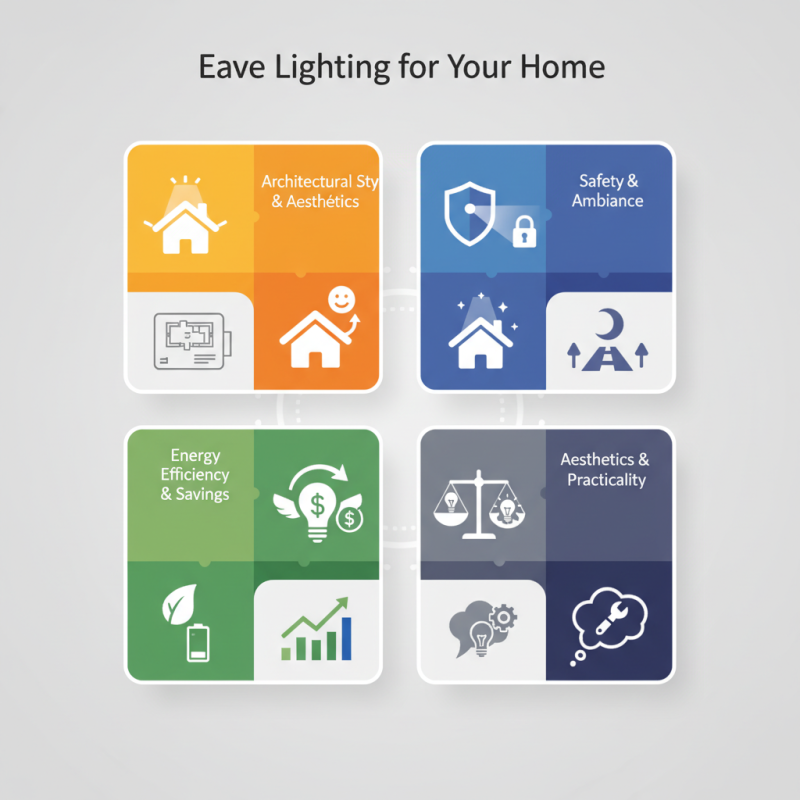
When searching for eave lighting, consider the architectural style of your home. A well-selected fixture adds charm and warmth. However, many homeowners overlook this detail, leading to mismatched designs. Pay attention to the color and brightness of the lights. This choice can evoke different moods and atmospheres.
Also, think about energy efficiency. LED lights save money in the long run. Some might disregard this for the initial cost. Eave lighting isn’t just about beauty; it impacts your home’s ambiance and functionality. Balancing aesthetics and practicality is key.
Understanding Eave Lighting: Importance and Benefits for Homes
Eave lighting plays a crucial role in enhancing the safety and aesthetics of a home. According to the American Lighting Association, well-placed outdoor lighting can reduce crime by up to 20%. This statistic underscores the value of illuminating areas such as eaves. Proper lighting discourages unwanted trespassers and increases visibility for homeowners. A well-lit exterior provides peace of mind, especially during the darker months.
Additionally, eave lighting can improve the architectural beauty of your home. With the right design and positioning, it highlights unique features and creates a warm ambiance. A recent study found that homes with thoughtfully designed outdoor lighting can experience a value increase of 7% to 15%. This is a compelling reason to invest in quality eave lighting. However, choosing the wrong fixtures or failing to establish a cohesive look may lead to a mismatched aesthetic. Balancing functionality and design can be a challenge.
Homeowners often overlook energy efficiency. LED options are more sustainable and cost-effective. They consume up to 75% less energy than traditional bulbs. However, the initial investment can be daunting for some. It's essential to assess long-term savings versus upfront costs. Some may hesitate and find themselves stuck between choices. Overall, strategic planning is necessary to maximize both safety and style.
Types of Eave Lighting: A Comprehensive Overview of Options Available
Eave lighting enhances both aesthetics and safety. There are several types available that cater to different needs. Wall-mounted fixtures are popular. They provide broad illumination. Recessed lights are sleek and blend seamlessly into the eaves. Each option has its appeal.
According to a report from the Lighting Research Center, effective outdoor lighting can reduce crime by 20%. Properly chosen eave lights improve visibility. Solar-powered options are eco-friendly; they reduce energy costs and can help lower your carbon footprint. However, they may not always provide ample light during cloudy days.
LED fixtures are another great choice. They are energy-efficient and long-lasting. Some homeowners overlook the color temperature. A warm tone is inviting, while a cool tone can appear harsher. Balance light quality with the intended atmosphere. Consider your home's style and neighborhood decor. A mismatched design might lead to visual chaos. Thoughtful planning can create harmony.
Key Factors to Consider When Selecting Eave Lighting for Your Home
Selecting the best eave lighting for your home requires careful consideration of various factors. The most vital aspect is brightness. According to a report by the American Lighting Association, homeowners often underestimate the lumens needed for adequate outdoor visibility. A typical porch light should emit between 100 and 300 lumens. However, for eave lights, consider 800-1200 lumens if you seek robust illumination.
Another significant factor is energy efficiency. LED lights consume up to 75% less energy than traditional bulbs, according to the U.S. Department of Energy. This choice can lead to substantial savings over time. Yet, quality and color temperature are often overlooked. A warm white light between 2700K and 3000K can enhance a home's appearance. Many homeowners, however, tend to choose cooler lights, unintentionally creating an unwelcoming atmosphere outside.
Weather resistance is also crucial. Eave lights must withstand various weather conditions. According to industry standards, look for lights rated with at least an IP65 rating for outdoor use. Ignoring this can lead to frequent replacements due to water damage or corrosion. Make sure to reflect on how your choices impact both aesthetics and functionality.
Energy Efficiency in Eave Lighting: Ratings and Long-Term Savings
When selecting eave lighting, energy efficiency should be top of mind. Choosing lights with high energy ratings can significantly lower your electricity bills. LEDs are often the best choice here. They use less energy and last longer than traditional bulbs. This means fewer replacements and less waste. You save money both in the short and long run.
Consider the area you are lighting. Think about how much brightness is needed for safety and ambiance. Some areas may require brighter lights, while others can use softer ones. Always check the lumens rating to find the right brightness level. A little planning can lead to big savings.
Tips for installation: Ensure to angle lights properly to avoid dark spots. Select fixtures that complement your home’s style. This not only improves aesthetics but also enhances energy efficiency. If you struggle with placement, ask for help. A second opinion can bring fresh ideas.
How to Choose the Best Eave Lighting for Your Home? - Energy Efficiency in Eave Lighting: Ratings and Long-Term Savings
| Lighting Type | Energy Efficiency Rating (EER) | Lifespan (Years) | Average Cost ($) | Annual Energy Cost ($) | Long-Term Savings (10 Years) ($) |
| LED | A+ | 15+ | 20 | 10 | 800 |
| CFL | B | 7-9 | 15 | 14 | 300 |
| Halogen | C | 1-2 | 25 | 20 | -50 |
| Incandescent | D | 1 | 15 | 40 | -100 |
Installation Tips and Best Practices for Optimal Eave Lighting Performance
Eave lighting can transform your home’s exterior, providing both style and safety. When planning lighting installation, consider placement carefully. According to a report by the American Institute of Architects, well-placed lighting can increase a home’s perceived value by up to 10%. This emphasizes the importance of thoughtful installation.
Aim for even distribution. No one enjoys a glaring spotlight. Instead, use fixtures that disperse light softly across surfaces, enhancing aesthetics while avoiding harsh contrasts. A study by the Lighting Research Center suggests that 70% of homeowners feel safer in well-lit areas. Balance is key. Too much light can create unwanted shadows. Excess brightness might disturb neighbors or drown out your architectural details.
Don’t overlook the installation process. Use weather-resistant materials to prevent deterioration over time. Proper wiring is crucial, especially in wet areas. Disconnect the power before starting any installation. Review local regulations to avoid issues. Lighting should complement your home, not overwhelm it. Each choice matters. Taking time for reflection on such details can lead to an impactful transformation.