How to Choose the Best Led Torch for Your Needs?
Choosing the right LED torch can be a daunting task. With a plethora of options on the market, it’s crucial to know what suits your needs. An LED torch should offer reliability, brightness, and durability. Many people overlook these key factors. They might choose based solely on price or appearance, which can lead to disappointment.
When selecting an LED torch, consider the intended use. Will it be for outdoor adventures, home emergencies, or everyday carry? Each scenario demands different features. Battery life, size, and brightness levels are vital considerations. A torch that excels in one area may lack in another. This balance is essential for a satisfying purchase.
Experience matters when deciding on an LED torch. Reading reviews and expert opinions can provide insights into various models. Look for trusted sources and gather information on performance and user satisfaction. A well-informed decision leads to a torch that meets your practical needs. The right LED torch can light your way for years to come.
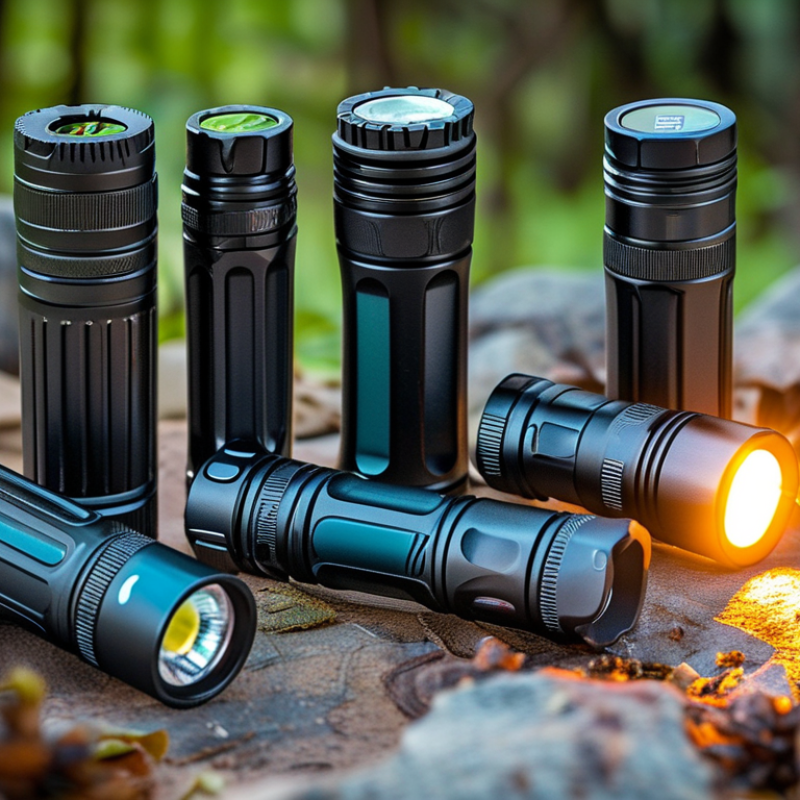
Understanding the Different Types of LED Torches Available
When choosing an LED torch, it's essential to understand the different types available. LED torches are categorized mainly by their design and functionality. Common types include handheld, headlamps, and tactical flashlights. Each type serves specific use cases, from everyday carry to outdoor adventures.
According to a 2022 market research report, the global LED flashlight market is projected to grow by 6% annually. Handheld torches are preferred for portability, while headlamps provide hands-free lighting. Tactical flashlights, often used by emergency responders, offer durability and high brightness.
In terms of brightness, many users often overlook lumen ratings. A higher lumen count typically indicates a brighter light, but it's crucial to match brightness with the intended use.
Battery life also varies widely among different torches. For example, some models may last only a few hours on high settings. Others can run for days on lower settings. Durability is another critical consideration. Materials can affect performance in harsh conditions. Users should reflect on their environmental needs. Selecting the right LED torch is not just about brightness; it's also about finding a balance between features and user requirements.
Identifying Your Specific Lighting Needs and Requirements
Choosing the right LED torch requires a clear understanding of your specific lighting needs. Determine where you will use the torch most often. Will it be for camping, home emergencies, or outdoor adventures? Each scenario demands different features. For camping, you might prioritize lightweight and long battery life. In contrast, a robust model with high brightness is crucial for security at home.
Consider the features that matter most. Brightness is essential, but beam distance also plays a significant role. A torch with a focused beam can help spot distant objects. Battery type affects duration, so think about how often you'll need to recharge. For long trips, opt for rechargeable options or those with extended battery life. Reflect on your comfort as well; a heavy torch may become cumbersome over time, impacting usability.
However, no torch is perfect for every situation. You may find your chosen model lacking in brightness when you need it most. Recognizing these limitations will help refine your selection process. Trust your instincts as you evaluate different options, and don't hesitate to seek advice from experienced users. Their insights can guide you in making a more informed choice.
Evaluating Brightness Levels and Light Output Measurements
When evaluating LED torches, brightness levels are paramount. Measured in lumens, brightness directly influences how well you can see in various conditions. For basic tasks, a torch emitting around 100 lumens is often adequate. However, for outdoor adventures, opt for at least 500 lumens. Reports suggest that some high-performance models can reach over 2000 lumens, illuminating large areas effectively.
Another critical factor is light output measurements. The beam distance is equally essential, as it determines how far the light travels. A quality torch may have a beam distance exceeding 200 meters. Consider the beam pattern too; some torches create a focused beam while others provide a wide flood. This choice impacts visibility and usability in different environments.
Battery life remains a crucial aspect to consider. A torch with a higher lumen output may drain its battery faster. Therefore, an ideal balance between brightness and efficiency is necessary. Users often overlook this during purchases, leading to decisions they later question. A reliable torch should provide both the brightness needed and above-average battery performance for long-lasting use in critical situations.
Considering Battery Life and Power Source Options
When selecting an LED torch, battery life and power source options are crucial. According to industry reports, a high-quality torch should offer at least 10 hours of use on a single charge. This ensures reliable performance during outings or emergencies. Rechargeable options are often more sustainable, reducing waste from disposable batteries. However, they usually take longer to charge, which can be a drawback.
Tips: Consider your usage frequency. If you plan to use it daily, a rechargeable model may suit you best. For occasional use, a powerful disposable battery option can deliver exceptional brightness.
The choice of battery type also affects performance. Lithium-ion batteries tend to outperform alkaline ones in terms of longevity and discharge rates. However, they can be more expensive upfront. Weighing these factors is essential for long-term satisfaction. Some users find that bright torches can drain batteries quickly; a balance between brightness and battery efficiency is key.
Tips: Always check specifications for output lumens versus battery life. A torch with high lumens may not be the best choice if it drains power immediately. Engage with user feedback to understand real-world performance and reliability.
Assessing Additional Features for Enhanced Functionality
When selecting an LED torch, consider additional features that can enhance its functionality. A common feature is the adjustable brightness setting. This allows you to manage battery life while providing the right amount of light for different situations. For instance, a high lumen output is great for outdoor activities, while a dim light is perfect for reading at night.
Another important feature to assess is water and impact resistance. Look for a torch that has an IP rating, indicating its resistance to dust and water. This is particularly beneficial for those who may use the torch in unpredictable weather. A durable build can prevent damage from accidental drops, extending the torch's lifespan.
Don't overlook the convenience of rechargeable versus disposable batteries. Rechargeable torches often save costs in the long run and are environmentally friendly. However, the reliance on a charged battery can also be limiting in emergencies. Reflecting on your needs can guide you towards the most suitable choice. Understanding these nuances leads to a more informed decision, ensuring you select a torch that truly meets your needs.