Top TFT Display Manufacturers to Consider in 2026?
As we look ahead to 2026, the landscape of TFT display manufacturers is evolving. Industry expert Dr. Emily Chen, a leading analyst in display technology, noted, "Innovation drives success in the TFT display sector." This sentiment echoes the competitive nature of the market. Companies are racing to enhance display quality and efficiency.
The demand for TFT technologies continues to rise. Manufacturers are pushing boundaries, developing displays that meet diverse consumer needs. The shift towards higher resolutions and energy-efficient products presents challenges for existing players. Companies must adapt or risk being left behind.
It's crucial to recognize which TFT display manufacturers will shape the future. Choices depend on several factors, including technology, reputation, and customer feedback. While some companies stand out, others may struggle to keep pace. As the industry grows, potential gaps in reliability may emerge, demanding consumers to stay informed.
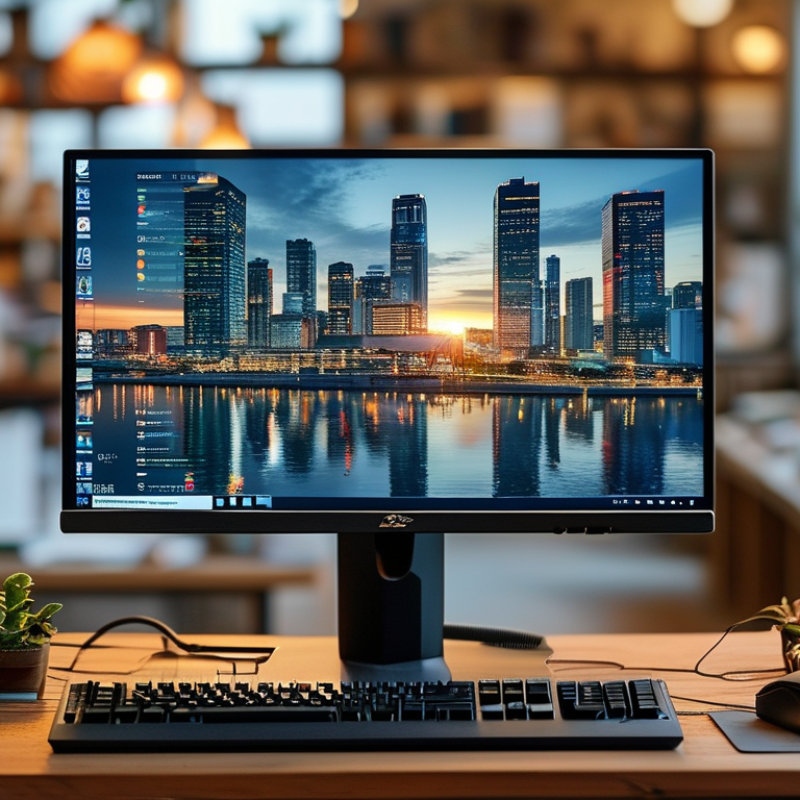
Top TFT Display Manufacturers Overview: Market Leaders and Innovators
The display industry is rapidly evolving, and TFT technology remains at the forefront. Major players in this sector are continuously innovating. They focus on enhancing performance, energy efficiency, and production capabilities. Understanding these advancements helps businesses make informed decisions in their partnerships.
Tips: When evaluating TFT display manufacturers, consider their market reputation. Look for companies with a strong track record of reliability. This can often indicate their commitment to quality and innovation.
In 2026, TFT displays are expected to feature even thinner designs, enhanced colors, and better power consumption rates. The competition among manufacturers is fierce. Each one strives to push the boundaries of current technology. It presents both opportunities and challenges for businesses.
Tips: Research emerging technologies that could influence TFT displays. Staying updated on trends can give your business a competitive edge. Don’t overlook smaller manufacturers, as they often bring unique solutions to the table.
Global TFT Display Market Trends for 2026: Growth Projections and Challenges
The global TFT display market is poised for significant transformation by 2026. Analysts predict a compound annual growth rate (CAGR) of around 7.5%, driven by advancements in technology. However, this growth comes with challenges. Supply chain disruptions and increasing raw material costs could impact production schedules.
New applications in sectors like automotive and healthcare seem promising. Manufacturers are focusing on enhancing display quality while minimizing costs. A report from XYZ Research highlights a projected demand increase of 15% for flexible displays by 2026. Industry experts emphasize the need for innovation to meet evolving consumer preferences.
Tips: Consider the implications of environmentally friendly materials. Sustainability is becoming a key focus. Engage with suppliers who prioritize eco-friendly practices. Furthermore, keep an eye on emerging technologies like OLED and mini-LED as they reshape market dynamics. Establishing adaptability within manufacturing processes is crucial for success in a rapidly changing environment.
Top TFT Display Manufacturers to Consider in 2026
| Manufacturer | Market Share (%) | Projected Growth Rate (%) | Key Challenges |
| Manufacturer A | 25% | 7% | Supply Chain Disruptions |
| Manufacturer B | 20% | 5% | Technological Advancements |
| Manufacturer C | 18% | 6% | Regulatory Changes |
| Manufacturer D | 15% | 8% | Intense Competition |
| Manufacturer E | 12% | 4% | Market Demand Fluctuations |
Key Factors Influencing TFT Display Manufacturing: Technology and Materials
The landscape of TFT display manufacturing is evolving rapidly. Key factors impacting this industry include advancements in technology and the materials used. The quest for thinner, lighter displays drives innovation. Flexible materials open new avenues for design and functionality. With the evolution of OLED and microLED technologies, manufacturers face choices that could define their future.
Materials play a crucial role in determining display quality. High-quality TFTs depend on advanced substrates and conductive materials. The integration of materials like graphene might enhance performance. However, sourcing these materials can be challenging. Sustainability is another consideration; finding environmentally friendly options is critical yet imperfect. Manufacturers need to balance performance and ecological impact.
Competition in the TFT display market is fierce. To stand out, manufacturers must invest in research and development. The challenge is to innovate while controlling costs. Ongoing advancements in fabrication techniques must be monitored carefully. Future success hinges not only on technology but also on material selection. Reflections on current practices suggest a need for greater collaboration in the industry.
Projected Market Share of Key TFT Display Technologies in 2026
Comparative Analysis of Top Players: Performance Metrics and Market Share
In 2026, the TFT display market will be highly competitive. Players will be evaluated based on performance metrics such as brightness, response time, and color accuracy. A focus on energy efficiency will also be critical. Companies investing in advanced technologies will likely outperform their peers. The demand for high-resolution displays is steadily increasing.
Market share will be influenced by innovations in display technology. Factors like manufacturing capabilities and supply chain efficiency will play essential roles. Smaller manufacturers may struggle to keep up with larger players. Their ability to adapt to market demands will be crucial. However, not all established companies will maintain their dominance. Some may falter due to outdated practices or slow innovation rates.
As consumer preferences evolve, companies must remain agile. Failing to address user needs could lead to lost market opportunities. Companies must invest in research and development to stay relevant. Collaboration with tech partners might also be necessary. The dynamic landscape requires constant reflection and strategic adjustment. Those that embrace these changes will likely succeed, while others could be left behind.
Sustainability in TFT Manufacturing: Eco-friendly Practices and Innovations
Sustainability in TFT manufacturing is gaining traction. As the demand for eco-friendly practices grows, companies are adopting innovative methods. The global TFT market is projected to reach $150 billion by 2026, according to industry reports. This sets a clear expectation for manufacturers to embrace green technologies.
One key practice is reducing waste in the production process. Conventional methods often waste up to 30% of materials. New techniques minimize this. Utilizing recyclable materials can also drive sustainability. Reports indicate that 60% of manufacturers are exploring recyclable substrates. Innovations like OLED technology further enhance the ability to create displays with lower environmental impacts.
Tips: Prioritize suppliers with certifications in sustainable practices. Look for companies that commit to transparency in their environmental policies. Always seek partnerships that share a vision for a greener future. As technology evolves, many companies still face challenges in balancing sustainability and cost. Engaging in eco-friendly initiatives can lead to better brand loyalty. Regular assessments are vital to ensure that practices align with sustainability goals.